Autumn in the United Kingdom
Nooreen Siddique || risingbd.com
Nooreen Siddique from London: In London, the capital city of the United Kingdom (UK), we had something of an Indian summer this year. It was the driest and equal-fourth warmest September since records began in 1910.
The sunny weather continued into the beginning of October with temperatures soaring to 22°C on Friday the 3rd. It was only on the evening of the following day, on my way home from work, that I noticed it was no longer feasible to go without a jumper-jacket combination or a light coat. The temperature had plummeted to single figures and the sweat jacket I was wearing was insufficient for the cold. Later that evening I donned a shalwar kameez – in preparation for a family Eid meal at a local restaurant – but made sure to cover up with a coat.
The cooler and less humid conditions allow viruses to proliferate and swathes of people inevitably succumb to upper respiratory tract infections or influenza (flu). Indeed, as I write this, I too am recovering from a bout of the common cold. The National Health Service (NHS) offers free flu vaccinations every autumn to people who are most susceptible to infection, chiefly: the elderly, pregnant women, health- and social-care workers, those with serious long-term medical conditions and other at-risk groups. From this year onwards, young children have been eligible for free annual vaccines in the forms of painless nasal sprays.
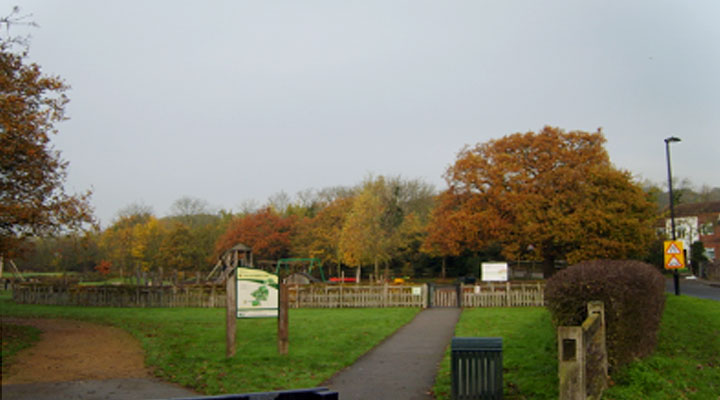
The most familiar visual image of the season in the UK is that of green leaves turning yellow, orange, red and brown before falling off the trees and covering roads, footpaths and parks in carpets of colours. From a spiritual standpoint, we may look upon the shedding of the autumn leaves as a symbol of our requirement to purge the superfluous and often toxic emotions and material possessions we have accumulated over the course of the year. The darkening days may be seen as a metaphor for the inward journey of the soul we must take as we approach the cold nights of winter.
Autumn is primarily associated with the harvest. Local fruits and vegetables that ripen at this time include apples, pears, plums, blackberries, carrots, lettuces, marrows, potatoes, pumpkins, squashes, sweetcorn and tomatoes. The wheat harvest was traditionally celebrated during Lammas in early August by the baking of loaves of bread which were subsequently taken to church and blessed. “Harvest moon” refers to the full moon that falls closest to the autumn equinox – occurring this year on 7th-8th October.
September marks the return of students and teachers to educational institutions after the long summer break. When I was a young child, the primary school I attended would put on a “Harvest Festival” every year in September or October. Parents and carers – from all wealth and income backgrounds – would get their children involved in donating food products which would then be displayed in the school hall and sold. I have fond memories of carrying some packaged items from home and my mum remembers purchasing tinned food at the festivals. The profits raised were either given to charity or put towards the school’s funds.
Schools continue to honour this custom. The purpose of the occasion is to foster a deep sense of gratitude and appreciation for the food that had been reaped and to deter greedy or wasteful behaviour. The celebration is intended to encourage children to grow up into caring and responsible citizens, thankful for every morsel and mouthful they might receive in life. No matter how poor or disadvantaged one may be, anybody who has food for basic sustenance is truly rich beyond the need for avarice: there is a lesson in this for us all.
This article has been written by Nooreen Siddique, who has a BSc (Hons) in Astrophysics from University College London and an MSc in Space Science from the Mullard Space Science Laboratory of University College London.
Risingbd/Dhaka/Nov 22, 2014/Mukul
risingbd.com