92pc water used in Bangladesh polluted: WB
5 || risingbd.com
Secretariat Correspondent: About 92 percent of water that the people of Bangladesh use is contaminated and 41 percent of water that they use for drinking contains E. coli bacteria while 13 percent of water has access to arsenic, according to a report of the World Bank (WB) released today.
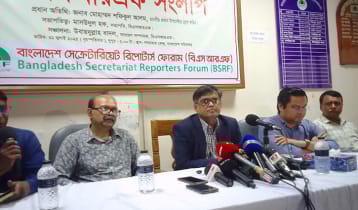
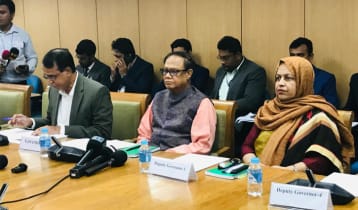
The World Bank formally launched the report - 'Promising Progress: A Diagnostic of Water Supply, Sanitation, Hygiene, and Poverty in Bangladesh' - at a function at Pan Pacific Sonargaon Hotel in the capital on Thursday.
State Minister for Water Resources Muhammad Nazrul Islam, acting country director of World Bank Sereen Juma and additional secretary of the Local Government Division of the LGRD Ministry Roxana Quader were present at the function.
The World Bank report found that E. coli bacteria was present in 80 percent of private piped-water taps sampled across the country, a similar rate to water retrieved from ponds.
It said though 98 percent of Bangladesh population has access to water from technologically improved water sources, the water quality is poor.
Most E. coli strains are harmless, but some serotypes can cause serious food poisoning in their hosts, and are occasionally responsible for product recalls due to food contamination, according to health experts.
Experts said E. coli is a gram-negative, facultative anaerobic, rod-shaped, coliform bacterium of the genus Escherichia that is commonly found in the lower intestine of warm-blooded organisms.
41 percent of all improved water sources are contaminated with E. coli (Escherichia coli) bacteria, the report said.
The multilateral donor agency's report suggests a high prevalence of fecal contamination in the drinking water.
It said poor drinking water quality affects the rich and poor and the rural and urban population alike.
Drinking contaminated water causes more deaths to people. Lack of pure water is one of the prime causes for increasing poverty quickly, the report said.
"But the poorest quintile of the population suffers three times more from water and sanitation related gastro-intestinal diseases", said the World Bank report.
Sereen Juma said poor water quality and sanitation can hold back a country's potential because of unsafe water and poor sanitation are linked to nutritional disadvantages in early-childhood.
"More than one-third of children under five in Bangladesh are stunted, limiting their ability to grow and learn".
Bangladesh has made great strides in expanding access to water and can build on that progress by focusing on improving the quality of water and sanitation.
The WB report said naturally occurring arsenic in ground water also affects people and people in Chattogram and Sylhet divisions suffer most from arsenic contamination.
It said Bangladesh successfully eliminated the practice of open defecation. But still above 50 million people use shared rudimentary toilets and also only 28 percent of toilets are equipped with soap and water.
It mentioned that in urban areas, slums have poor access to clean water and safe sanitation.
Large-city slums have five times less access to improved sanitation and have the highest rates of childhood under-nutrition in the country, it added.
risingbd/Dhaka/Oct 11, 2018/Hasan/AI
risingbd.com