
Sibling rivalry causes long-term psychological harm
|| risingbd.com
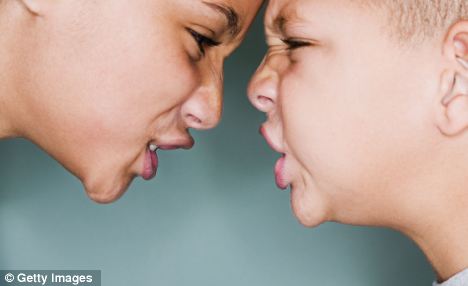
Parents should leave it to the youngsters to avoid further damage
risingbd24.com report
Sibling rivalries lead to anxiety, depression and low-self esteem later in life but parents should let children fight it out to avoid causing further psychological damage, reports UK-based newspaper Mail Online.
A new study has claimed intervention by mothers and fathers can cause long-term emotional damage and found the best thing they can do is set clear household ground rules for their youngsters, UK based newspaper said.
Nicole Campione-Barr, assistant professor of psychological science, at the University of Missouri, said: `Although parents may be inclined to step in as arbiters, previous research has found that parents` interventions into adolescent sibling conflict can be detrimental.
`In concert with those prior findings, we believe our research suggests that setting household rules such as `knock before entering a sibling`s room`, can be the best means for parents to resolve disputes and avoid appearing to play favourites.
`A calendar of chores and defined time limits for turns with a video game can help reduce conflicts. However, if a parent notes that one child consistently gets the short end of the stick, action should be taken to ensure one child isn`t being too subordinate.`
A team at the US University studied 145 pairs of European and American, middle-class siblings in their early teens over a year. The participants were asked about the frequency and intensity of their disputes.
They found quarrels could be grouped into two categories - equality and fairness, such as whose turn it is to do the washing up, or invasion of personal space, borrowing clothes without asking being a prime example.
The psychologists, whose findings are published in the Child Development journal, then looked at correlations between the teens` reported feelings of depression, anxiety and low self esteem a year later.
Campione-Barr said: `Our results show that conflicts about violations of personal space and property are associated with greater anxiety and lower self-esteem one year later.
`Conflicts over issues of equality and fairness are correlated to greater depression one year later.`
The results related to anxiety and self-esteem appeared to be more detrimental for some siblings than others.
Younger brothers with older brothers, and girls with brothers had more anxiety, while teens in mixed-gender sibling pairs had lower self-esteem.
The study also warns parents to respect teenagers` need for privacy.
Ciamone-Barr said: `Although adolescents in some households may not have their own rooms, they still need some degree of respect for personal space from both parents and siblings.
`For example, parents and siblings should respect the private nature of children’s diaries.`
But the psychologist added that sometimes it is necessary for parents to step in, and said: `If most sibling interactions become intense conflicts, a family should seek professional help, especially if violence is involved.`
risingbd.com