Climate change fuels health crisis in Char Sidhai
Easmin Akter || risingbd.com
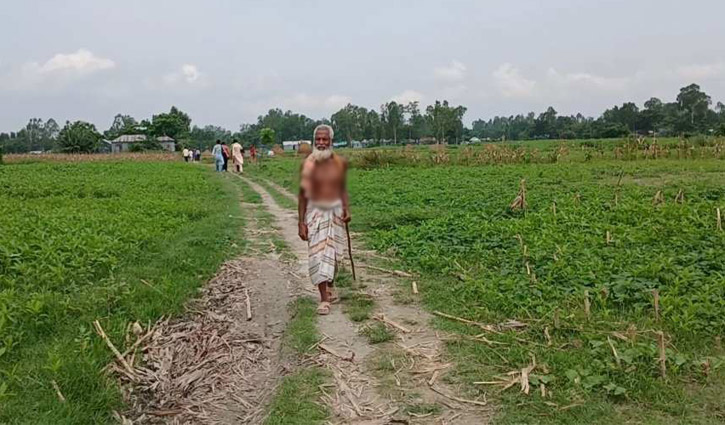
Residents of Char Sidhai are facing multiple challenges due to climate change.
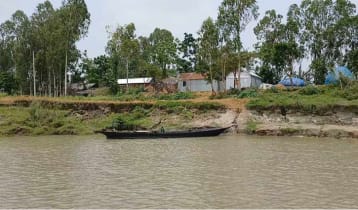
In Char Sidhai of Gaibandha, a remote island village along the banks of the Brahmaputra in northern Bangladesh, life has always meant living on the edge—of floodwaters, river erosion, and poverty. But now another threat stalks the narrow mud paths of this climate-fragile community: disease.
Once worried mostly about floods, locals now find themselves battling a rising tide of illness—malaria, dengue, skin diseases, intestinal worms and the parasitic disease leishmaniasis—all fuelled by climate change.
Rahima Khatun, a mother of three, watches helplessly as her six-year-old son, Mehedi, falls ill again.
‘He gets a fever every couple of months. The doctor says it could be malaria, but we can’t test. I buy medicine when I can, but it’s hard to know if it’s helping,’ she says. ‘We live with fever and cold almost every day.’
Ten-year-old Nusrat, a student in a local primary school, often misses classes due to illness. Her mother, Hasina Khatun, says reaching the nearest health centre is almost impossible without a boat.
‘We can’t take her to a doctor when she needs one. There are no boats at night. She just cries all day,’ she says quietly.
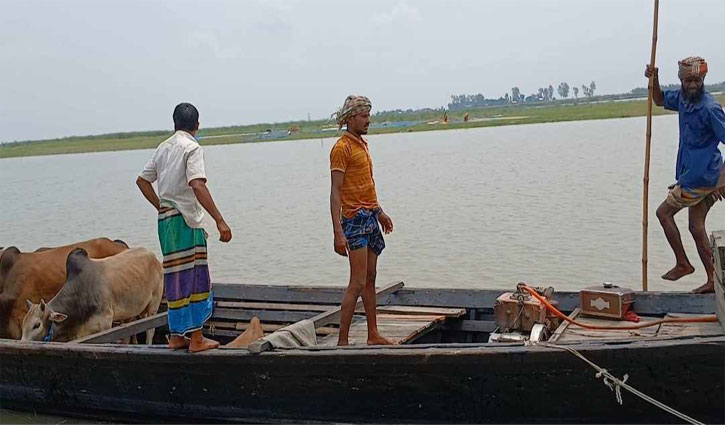 Boats are the only means of transportation for any kind of communication or emergency in the area.
Illness rises as the river changes
Climate change has altered the rhythm of life in Char Sidhai. Once-predictable floods have become erratic. Rising temperatures and stagnant water have made the area a breeding ground for mosquitoes and bacteria.
‘Since the last flood, we’ve had no clean water,’ says Abdul Mannan, a farmer. ‘The river is our only source. We boil it, but still people suffer. Skin rashes, stomach pain—they’re always with us.’
Experts say these health threats are not isolated. According to the UN Environment Programme and the World Health Organization, Bangladesh is facing a sharp rise in vector- and waterborne diseases due to climate change. Char areas like Sidhai are at the frontlines.
Halima Begum, a local community health worker, says the vulnerability is layered.
‘People here live in open areas, exposed to the elements. Even small changes in weather have big impacts,’ she explains.
Health care is a luxury many cannot afford
There is no permanent clinic in Char Sidhai. Occasionally, a mobile health team visits—but only once or twice a year. For emergencies, families must travel up to four hours to reach Gaibandha town—often too late.
Mohammad Shahabuddin recalls how his son collapsed from a sudden fever.
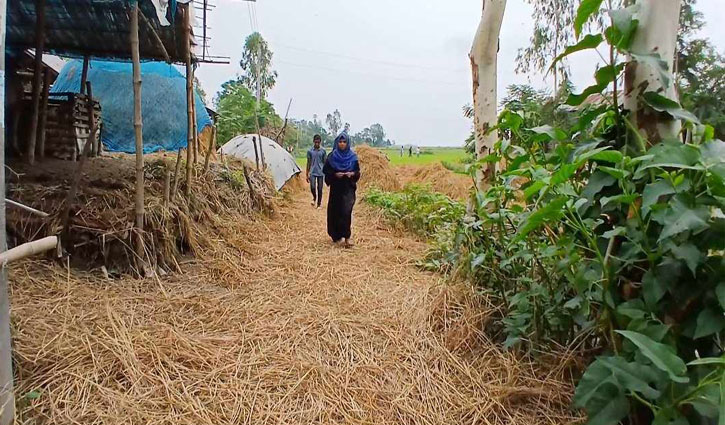 They have to walk several kilometres and cross the river by boat to access healthcare services.
‘We left at dusk, carrying him on a bamboo stretcher. The road was broken, then we crossed the river by boat. It took over three hours. When we reached the hospital, the doctor said he might have lived if we’d come sooner.’
For some, help never arrives in time.
‘My cousin was pregnant. She started bleeding at night. We couldn’t take her to hospital. She died—both she and the baby,’ says Mukta Khatun, wiping her eyes.
A health crisis with climate at its core
Doctors and scientists point to a perfect storm:
• Warmer temperatures spreading mosquito-borne illnesses like dengue and malaria
• Floods and river erosion damaging sanitation systems
• Prolonged waterlogging bringing intestinal worms and skin infections
• Malnutrition rising due to disrupted farming
• And a rise in mental stress from repeated natural disasters
In just one year, more than 3,500 people in Gaibandha’s char areas sought treatment for waterborne illnesses, according to local health department figures.
Adapting health systems to a warming world
Public health experts warn that Bangladesh’s conventional health model is failing these marginalised communities. What’s needed, they say, is climate-resilient healthcare—specifically tailored to the unique challenges of chars.
Authorities say they have begun preparing a health survey of char regions to inform future responses. But for now, most people in Char Sidhai are still waiting—for doctors, for medicine, and for someone to listen.
‘When people ask what we need—electricity, roads—I say no,’ says one resident. ‘What we really want is a clinic. A doctor. Somewhere to go when someone gets sick.’
In a place where nature never stops testing its people, staying alive and healthy has become the most difficult battle of all.
Dhaka/AI